Retail Advertising Agencies: Using Influencer Marketing for Brand Awareness sets the stage for this engaging narrative, providing readers with a comprehensive look at how influencer marketing is reshaping brand awareness strategies in the retail sector.
The following paragraphs delve into the intricacies of influencer marketing, from identifying the right influencers to measuring campaign success, offering valuable insights for retail advertising agencies looking to leverage this powerful tool.
Introduction to Influencer Marketing in Retail Advertising Agencies
Influencer marketing has become a key strategy for retail advertising agencies to increase brand awareness and reach their target audience effectively. By collaborating with influencers who have a large following and influence over their audience, brands can leverage their credibility and engagement to promote products or services.Many retail advertising agencies are turning to influencer marketing due to its ability to create authentic connections with consumers. Influencers are seen as trusted sources by their followers, making their recommendations more impactful than traditional advertising methods. This approach allows brands to tap into a more targeted audience and generate higher levels of engagement.Examples of Successful Influencer Marketing Campaigns in Retail
- One successful campaign was by fashion retailer Revolve, who partnered with multiple fashion influencers to promote their clothing line. The influencers created engaging content showcasing the brand's products, leading to increased brand visibility and sales.
- Luxury beauty brand Sephora collaborated with beauty influencers to launch new product lines and create makeup tutorials. This strategy helped Sephora reach a wider audience and generate buzz around their products.
- Another example is the partnership between fitness brand Gymshark and fitness influencers to promote their activewear. The influencers shared their workout routines while wearing Gymshark apparel, driving brand awareness and sales amongst their followers.
Identifying the Right Influencers for Retail Advertising
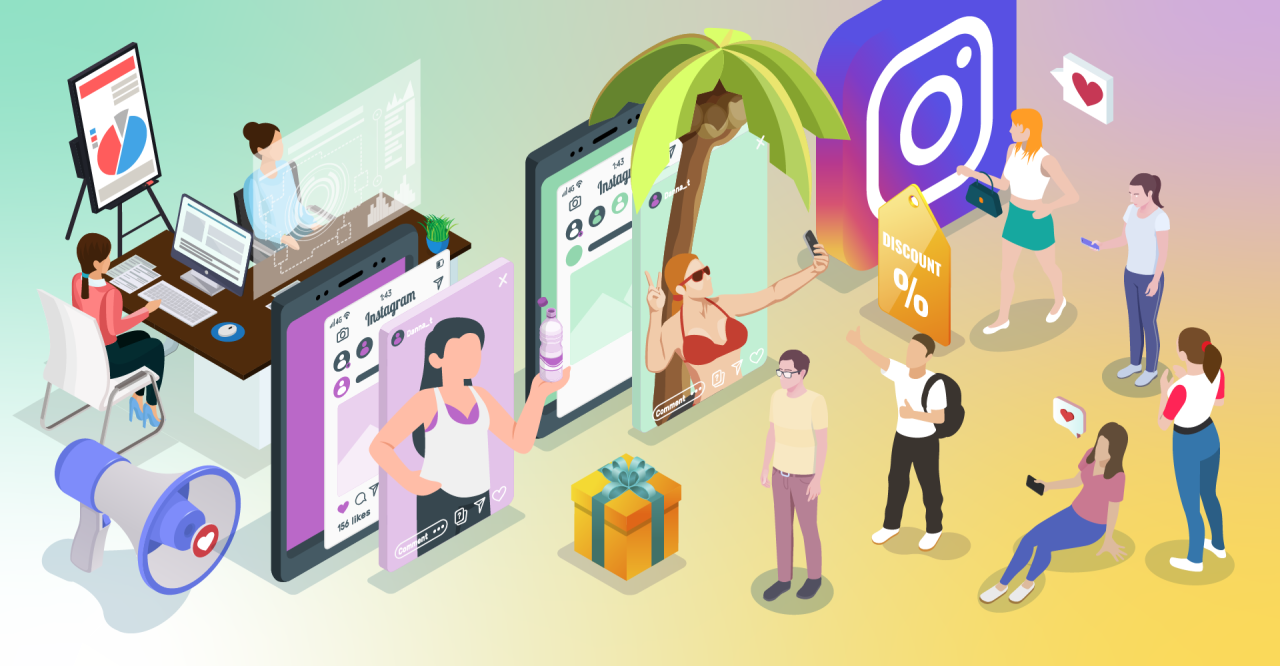 In the world of retail advertising, selecting the right influencers can make or break a campaign. Here, we will delve into the criteria retail agencies use to choose influencers, the significance of aligning influencer characteristics with brand values, and examples of how influencers can effectively resonate with target audiences.
Criteria for Selecting Influencers
When deciding on influencers for a retail advertising campaign, agencies often consider factors such as:- The influencer's relevance to the target audience
- The influencer's engagement rates and following size
- The influencer's authenticity and credibility
- The influencer's previous brand collaborations and success
Aligning Influencer Characteristics with Brand Values
It is crucial for retail agencies to ensure that the influencers they choose align with the brand values they are trying to promote. This alignment helps in maintaining authenticity and credibility in the eyes of the audience. For example, if a retail brand focuses on sustainability, partnering with influencers who share the same values can create a more impactful message.Resonating with Target Audiences
Influencers have the power to connect with audiences on a personal level, making them more relatable and trustworthy. By crafting content that speaks to the interests and preferences of the target audience, influencers can effectively resonate with them. For instance, a fashion influencer showcasing a retail brand's latest collection in a way that aligns with the audience's style preferences can drive higher engagement and conversion rates.Strategies for Implementing Influencer Marketing in Retail Advertising
Implementing influencer marketing in retail advertising involves several key steps to ensure a successful campaign that maximizes brand awareness. By following these strategies, brands can effectively leverage the power of influencers to reach their target audience.
Creating an Influencer Marketing Campaign
When creating an influencer marketing campaign for retail advertising, it is essential to follow a systematic approach to maximize effectiveness:
- Define campaign objectives and target audience: Clearly Artikel the goals of the campaign and identify the specific audience segment that the brand wants to reach.
- Research and identify suitable influencers: Conduct thorough research to find influencers whose values, content style, and audience align with the brand's image and target demographic.
- Develop a creative brief and content strategy: Collaborate with influencers to create engaging content that resonates with their followers while incorporating the brand's messaging and goals.
- Set clear KPIs and metrics for success: Establish key performance indicators (KPIs) to measure the success of the campaign, such as engagement rates, reach, and conversions.
- Monitor and analyze campaign performance: Regularly track the performance of the campaign against set KPIs and make adjustments as needed to optimize results.
Types of Influencer Collaborations
There are various types of influencer collaborations that brands can explore to enhance brand awareness:
- Sponsored posts: Influencers create content featuring the brand's products or services in exchange for compensation.
- Giveaways and contests: Collaborating with influencers to host giveaways or contests can help generate buzz and engagement around the brand.
- Affiliate marketing: Partnering with influencers on affiliate programs can drive sales and conversions through personalized recommendations.
Tips for Maximizing Impact
To maximize the impact of influencer marketing on brand awareness, brands can consider the following tips:
- Focus on authenticity: Encourage influencers to create genuine and relatable content that resonates with their audience.
- Engage with the audience: Encourage influencers to interact with their followers through comments, messages, and live sessions to build a strong community.
- Measure and analyze results: Use analytics tools to track the performance of the campaign and gain insights for future optimization.
- Build long-term relationships: Cultivate ongoing partnerships with influencers to maintain brand visibility and credibility over time.
Measuring the Success of Influencer Marketing Campaigns
In the world of retail advertising agencies, measuring the success of influencer marketing campaigns is crucial to determine the return on investment (ROI) and the impact on brand awareness. Various key performance indicators (KPIs) are used to evaluate the effectiveness of influencer campaigns, along with tools and methods for tracking their success. Let's delve into how brands measure the ROI from influencer collaborations.Key Performance Indicators (KPIs)
- Engagement Rate: This KPI measures the level of interaction and engagement that the influencer's content generates among the audience. It includes likes, comments, shares, and overall interaction with the brand.
- Reach and Impressions: Tracking the reach and impressions of influencer content helps in understanding the extent to which the brand message is being exposed to the target audience.
- Conversion Rate: The conversion rate indicates the percentage of viewers who took a desired action after viewing the influencer content, such as making a purchase or signing up for a newsletter.
Tools and Methods for Tracking Effectiveness
- Analytics Platforms: Brands utilize analytics tools like Google Analytics, social media insights, and influencer marketing platforms to track the performance of influencer campaigns.
- Unique URLs and Discount Codes: Providing influencers with unique URLs or discount codes enables brands to directly attribute conversions to specific influencer collaborations.
- Social Listening: Monitoring social media conversations and sentiment around the influencer content helps in gauging the impact on brand perception and awareness.
Examples of Measuring ROI
- Direct Sales: Brands can directly track the sales generated from influencer campaigns and calculate the revenue generated against the investment made in collaborations.
- Awareness Metrics: Measuring brand mentions, website traffic, and social media followers gained during influencer partnerships helps in assessing the increase in brand awareness and visibility.
- Customer Lifetime Value (CLV): By analyzing the long-term impact of influencer collaborations on customer retention and repeat purchases, brands can measure the overall ROI and lifetime value of customers acquired through influencers.
Epilogue
In conclusion, Retail Advertising Agencies: Using Influencer Marketing for Brand Awareness emphasizes the importance of staying ahead of the curve in a rapidly evolving digital landscape. By adopting innovative strategies and forging authentic partnerships with influencers, brands can elevate their visibility and connect with consumers in meaningful ways.
Detailed FAQs
What are the key benefits of influencer marketing for retail advertising agencies?
Influencer marketing allows retail advertising agencies to reach a highly engaged audience, build brand credibility, and drive sales through authentic influencer partnerships.
How can retail agencies measure the success of influencer marketing campaigns?
Retail agencies can measure success through key performance indicators (KPIs) like engagement rates, click-through rates, and conversions, along with tools like Google Analytics and social media insights.
What are some common mistakes to avoid when implementing influencer marketing in retail advertising?
Common mistakes include choosing influencers solely based on follower count, not aligning influencer values with brand values, and neglecting to track and analyze campaign performance metrics.