Magento Ecommerce Developers: Scalable Solutions for Global Retail Chains sets the stage for this enthralling narrative, offering readers a glimpse into a story that is rich in detail and brimming with originality from the outset.
As we delve deeper into the world of Magento Ecommerce Developers, we uncover the essential role they play in creating scalable solutions for global retail chains.
Overview of Magento Ecommerce Developers
Magento, an open-source ecommerce platform, was first released in 2008 by Varien Inc. It quickly gained popularity for its flexibility, scalability, and customizable features, making it a preferred choice for businesses of all sizes.Magento Ecommerce Developers play a crucial role in creating scalable solutions for online stores by utilizing the platform's robust framework and extensive customization options. They are responsible for designing, developing, and maintaining Magento websites to ensure optimal performance and user experience.In the context of global retail chains, Magento offers a comprehensive solution for managing multiple stores, languages, and currencies on a single platform. This flexibility allows retailers to expand their reach to international markets and cater to a diverse customer base effectively.Role of Magento in Global Retail Chains
- Multi-store Management: Magento enables retailers to manage multiple online stores from a single dashboard, streamlining operations and improving efficiency.
- Localization Capabilities: With support for multiple languages and currencies, Magento allows retailers to tailor their online stores to specific regions, enhancing the shopping experience for global customers.
- Scalability and Performance: Magento's architecture is designed to handle high traffic volumes and large product catalogs, making it ideal for global retailers with complex ecommerce needs.
- Integration Options: Magento offers a wide range of integrations with third-party tools and services, allowing retailers to enhance their online stores with additional features and functionalities.
Skills and Expertise Required
As a Magento Ecommerce Developer, there are specific technical skills and expertise required to excel in this field. Understanding e-commerce trends and being able to customize solutions for different global markets are also crucial aspects of the job.Technical Skills Required
- Proficiency in PHP programming language
- Knowledge of HTML, CSS, and JavaScript
- Experience with MySQL and database management
- Familiarity with web server technologies like Apache or Nginx
- Understanding of version control systems such as Git
- Ability to work with APIs and third-party integrations
Understanding E-commerce Trends
In the rapidly evolving world of e-commerce, developers need to stay updated on the latest trends and technologies. This includes advancements in mobile shopping, AI-powered personalization, omnichannel strategies, and more. By keeping abreast of these trends, developers can ensure that their solutions are innovative and competitive in the market.Customizing Solutions for Global Markets
Customizing e-commerce solutions for different global markets involves adapting the website to meet the unique needs and preferences of consumers in specific regions. This may include language localization, currency conversion, payment gateway integration, and compliance with local regulations. Developers need to have a deep understanding of cultural nuances and market dynamics to tailor their solutions effectively.Developing Scalable Solutions
Creating scalable solutions for global retail chains involves a strategic approach to ensure that the e-commerce platform can handle increased traffic, transactions, and data as the business grows. Magento Ecommerce Developers play a crucial role in developing and implementing these solutions to meet the evolving needs of large retail chains operating in multiple regions worldwide.Scalability Process
To create scalable solutions, Magento Ecommerce Developers follow a structured process that includes:- Conducting a comprehensive assessment of the current e-commerce platform to identify potential bottlenecks and areas for improvement.
- Implementing best practices in coding, database optimization, and server configuration to enhance performance and scalability.
- Utilizing cloud-based technologies and services to ensure flexibility and scalability based on demand.
- Regularly monitoring and testing the platform to identify and address any scalability issues proactively.
Examples of Scalable Solutions
Magento Ecommerce Developers have successfully implemented scalable solutions for global retail chains, such as:- Integrating a content delivery network (CDN) to improve website loading speed and handle high traffic volumes efficiently.
- Implementing caching mechanisms to reduce server load and enhance overall performance during peak shopping seasons.
- Utilizing microservices architecture to modularize the e-commerce platform and enable seamless scalability without affecting the entire system.
Ensuring Scalability
Magento Ecommerce Developers ensure the scalability of e-commerce platforms by:- Designing a flexible and modular architecture that can easily accommodate new features and functionalities as the business expands.
- Optimizing database queries and indexing to improve data retrieval and processing speed, especially when handling large volumes of transactions.
- Implementing load balancing and auto-scaling mechanisms to distribute traffic evenly across servers and dynamically adjust resources based on demand.
- Regularly monitoring performance metrics and conducting stress tests to identify potential scalability issues and address them proactively.
Integration with Third-Party Tools
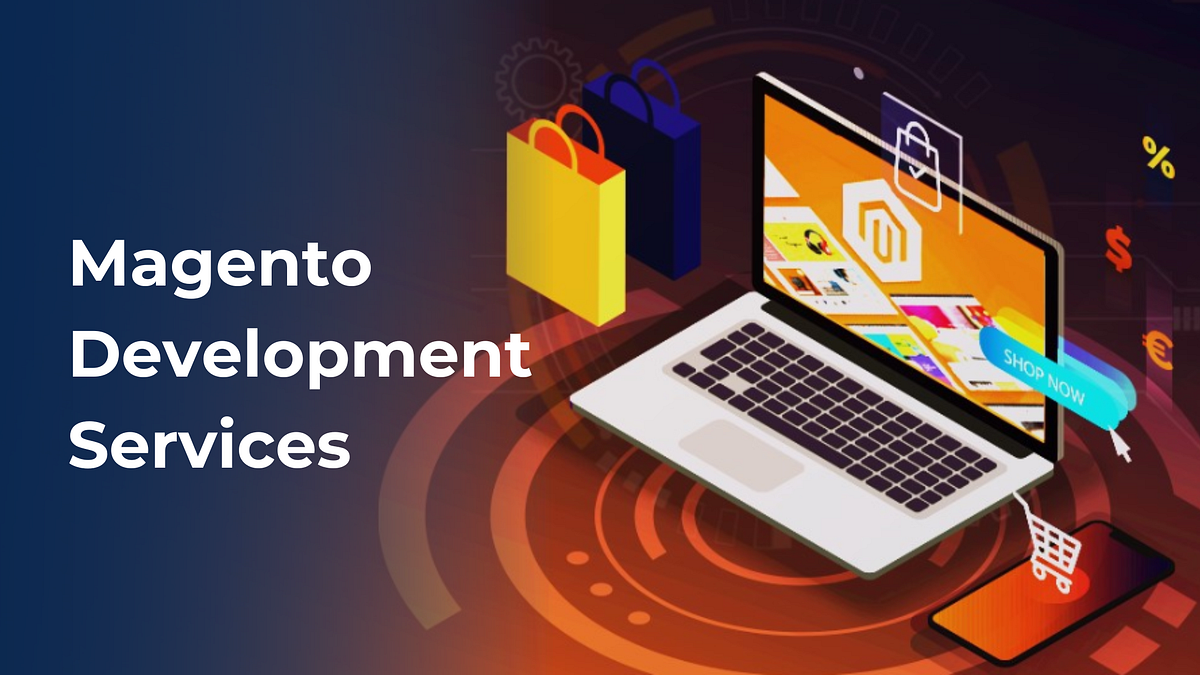
Integrating third-party tools into Magento development plays a crucial role in enhancing functionality, efficiency, and overall user experience.
Popular Third-Party Tools Used by Magento Ecommerce Developers
- Payment Gateways such as PayPal, Stripe, and Authorize.Net
- Shipping Carriers like UPS, FedEx, and DHL
- Analytics Tools including Google Analytics and Kissmetrics
- Marketing Automation Platforms like Mailchimp and HubSpot
- CRM Systems such as Salesforce and Zoho CRM
Challenges and Best Practices for Seamless Integration
Integrating third-party tools can present challenges such as compatibility issues, data synchronization problems, and security concerns. To ensure seamless integration, developers should follow best practices including:
- Thoroughly researching and selecting reliable third-party tools
- Testing integrations in a staging environment before deploying to production
- Regularly updating and maintaining integrations to ensure compatibility
- Implementing secure API connections and data encryption
- Monitoring performance metrics and user feedback for continuous improvement
Security and Compliance Considerations
When it comes to global retail chains operating on Magento Ecommerce platforms, security and compliance are paramount. Magento Ecommerce Developers implement robust measures to safeguard sensitive data and ensure adherence to regulatory requirements.Security Measures
- Encryption: Developers utilize encryption protocols to protect data transmission and storage, ensuring confidentiality and integrity.
- Firewalls and Intrusion Detection Systems: Implementation of firewalls and intrusion detection systems helps in detecting and preventing unauthorized access.
- Regular Security Audits: Conducting routine security audits and vulnerability assessments to identify and address potential threats.
- Two-Factor Authentication: Implementing two-factor authentication for enhanced login security and access control.
Compliance Requirements
- PCI DSS Compliance: Ensuring compliance with Payment Card Industry Data Security Standard (PCI DSS) for secure payment processing.
- GDPR Compliance: Adhering to General Data Protection Regulation (GDPR) guidelines to protect customer data privacy.
- Regulatory Compliance: Following industry-specific regulations and standards to meet legal requirements.
Data Privacy and Protection
- Data Encryption: Utilizing encryption techniques to secure sensitive information such as customer details and payment data.
- Access Control: Implementing strict access controls to limit data access to authorized personnel only.
- Data Backup and Recovery: Regularly backing up data and having robust recovery mechanisms in place to prevent data loss.
Optimizing Performance

When it comes to running a successful e-commerce website, optimizing performance is key to ensuring a seamless user experience and maximizing conversions. In the case of Magento-powered sites, it becomes even more crucial due to the complexity of the platform and the high expectations of global retail chains.
Strategies for Optimizing Performance
- Implementing caching mechanisms to reduce load times and improve site speed.
- Optimizing images and other media files to reduce file sizes and enhance loading times.
- Utilizing a content delivery network (CDN) to distribute content geographically and reduce server load.
- Regularly auditing and optimizing code to eliminate any inefficiencies or bottlenecks.
- Monitoring website performance metrics and making data-driven decisions to continuously improve performance.
Importance of Speed and Responsiveness
Speed and responsiveness are crucial factors in the success of global retail chains, as they directly impact user experience, rankings, and ultimately, conversion rates. A fast-loading website not only improves user satisfaction but also boosts search engine visibility, leading to increased organic traffic and sales.
Tips for Improving and User Experience
- Optimize website images by compressing them without compromising quality.
- Minimize the use of external scripts and plugins to reduce page load times.
- Implement lazy loading for images and videos to prioritize above-the-fold content.
- Utilize responsive design to ensure a seamless user experience across devices and screen sizes.
- Regularly conduct performance audits and A/B testing to identify areas for improvement.
Final Conclusion
In conclusion, Magento Ecommerce Developers are the backbone of innovation in the realm of global retail chains, providing scalable solutions that pave the way for future growth and success.
Top FAQs
What are the key technical skills required to be a Magento Ecommerce Developer?
Key technical skills include proficiency in PHP, MySQL, JavaScript, HTML, and CSS.
How do Magento Ecommerce Developers ensure the scalability of e-commerce platforms?
Developers ensure scalability through efficient code optimization, server configuration, and database management.
What security measures do Magento Ecommerce Developers take to protect global retail chains?
Developers implement secure coding practices, regular security audits, and encryption protocols to safeguard data.
How can Magento Ecommerce Developers optimize the performance of e-commerce websites?
Performance optimization involves caching mechanisms, image optimization, code minification, and server-side optimizations.