Embark on a journey through the realm of Digital Transformation for Nonprofits: Marketing Strategies for Small NGOs, where innovative approaches and impactful solutions pave the way for success. As we delve into the intricacies of this dynamic landscape, prepare to discover a wealth of insights that can revolutionize the outreach efforts of small NGOs.
Explore the transformative power of digital strategies and the profound influence they wield in shaping the future of nonprofit organizations.
Importance of Digital Transformation for Nonprofits
Digital transformation is crucial for small NGOs as it allows them to reach a wider audience, streamline their operations, and maximize their impact in the community. By leveraging digital technologies, nonprofits can enhance their outreach efforts, improve donor engagement, and optimize their fundraising strategies.
Enhanced Outreach through Digital Transformation
Embracing digital transformation enables small NGOs to expand their reach beyond geographical boundaries and connect with a global audience. Through social media platforms, email campaigns, and online advertising, nonprofits can raise awareness about their cause, attract new supporters, and engage with stakeholders in real-time.
Impact on Fundraising Efforts
Digital transformation revolutionizes fundraising for small NGOs by providing them with innovative tools and platforms to solicit donations, crowdfund projects, and launch online campaigns. By utilizing fundraising software, mobile payment solutions, and digital marketing strategies, nonprofits can diversify their revenue streams, attract more donors, and increase their fundraising efficiency.
Key Marketing Strategies for Small NGOs
When it comes to promoting a small nonprofit organization, utilizing effective marketing strategies is crucial for reaching a wider audience and achieving organizational goals. In today's digital age, there are various techniques that small NGOs can leverage to enhance their visibility and impact.
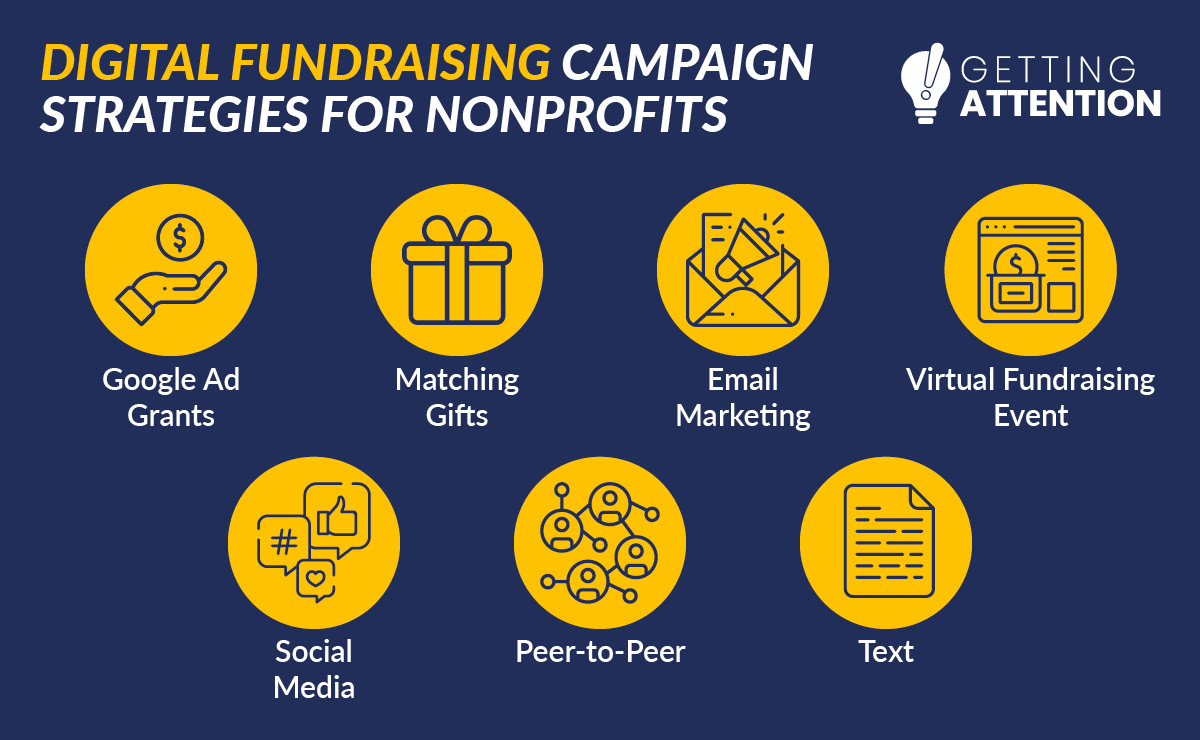
Digital Marketing Techniques for Small Nonprofits
- Utilize Social Media Platforms: Create engaging content on platforms like Facebook, Twitter, and Instagram to connect with supporters and raise awareness about your cause.
- Email Marketing Campaigns: Develop targeted email campaigns to keep donors informed about your activities, fundraising efforts, and success stories.
- Search Engine Optimization (): Optimize your website content with relevant s to improve your search engine rankings and attract more visitors.
- Content Marketing: Produce high-quality content such as blog posts, videos, and infographics to educate your audience and showcase your organization's impact.
Comparing Traditional vs. Digital Marketing Strategies
While traditional marketing methods like print ads, direct mail, and radio spots can still be effective for some nonprofits, digital strategies offer several advantages in terms of cost-effectiveness, reach, and measurability. Digital marketing allows small NGOs to target specific audiences, track performance metrics in real-time, and adjust their campaigns accordingly.
Step-by-Step Guide to Implementing a Digital Marketing Campaign
- Set Clear Objectives: Define your goals for the campaign, whether it's increasing donations, recruiting volunteers, or raising awareness.
- Identify Target Audience: Understand who your key stakeholders are and tailor your messaging to resonate with their interests and values.
- Create Compelling Content: Develop engaging and shareable content that tells a compelling story about your organization and its impact.
- Distribute Across Channels: Utilize a mix of social media, email, and website channels to reach your target audience and maximize exposure.
- Monitor and Evaluate: Track the performance of your campaign using analytics tools to measure key metrics like engagement, conversion rates, and ROI.
Leveraging Social Media for Nonprofit Marketing
Social media platforms play a crucial role in nonprofit marketing by providing a cost-effective way to reach a wider audience, engage with supporters, and raise awareness about important causes.
Most Effective Social Media Channels for Small NGOs
When it comes to small NGOs, focusing on the right social media channels can make a significant impact on their marketing efforts. Here are some of the most effective social media platforms for small nonprofits:
- Facebook: With its large user base and diverse demographics, Facebook is an ideal platform for small NGOs to share their stories, engage with followers, and drive donations.
- Instagram: Known for its visual appeal, Instagram can help small nonprofits showcase their impact through compelling images and videos, attracting a younger audience and building a loyal community.
- Twitter: Twitter is great for real-time updates, sharing news, and connecting with influencers and journalists, making it a valuable platform for small NGOs to amplify their voice and reach a wider audience.
Creating Engaging Content for Social Media to Promote Nonprofit Causes
Creating engaging content is essential for nonprofits to capture the attention of their audience and inspire action. Here are some tips on how small NGOs can create compelling content for social media:
- Share impactful stories: Use storytelling to convey the mission and impact of your organization, making it relatable and inspiring for your followers.
- Visual content: Utilize images, videos, and infographics to make your posts visually appealing and shareable, increasing engagement and reach.
- Interactive content: Encourage participation through polls, quizzes, and challenges to involve your audience and create a sense of community around your cause.
- Collaborate with influencers: Partnering with influencers or advocates who support your cause can help expand your reach and credibility, reaching new audiences and potential donors.
Website Development and Optimization for Nonprofits
 User-friendly and engaging websites are crucial for small NGOs to effectively communicate their mission, engage with donors and volunteers, and increase their online visibility. A well-designed website can serve as the digital face of the organization, providing a platform to showcase impact stories, share updates, and attract support.
Importance of User-Friendly Website
Creating a user-friendly website is essential for small nonprofits to attract and retain visitors. A website that is easy to navigate, visually appealing, and mobile-responsive can enhance the overall user experience. It can help visitors quickly find information about the organization, its programs, and how they can get involved. A user-friendly website can also improve rankings, leading to increased organic traffic and better online visibility.- Optimize website navigation for easy access to key information.
- Ensure mobile responsiveness for a seamless browsing experience across devices.
- Implement clear call-to-action buttons to encourage engagement and donations.
Optimizing Nonprofit Website
Optimizing a nonprofit website involves various strategies to improve visibility, engagement, and conversion rates. By focusing on search engine optimization (), content quality, and accessibility, nonprofits can enhance their online presence and reach a wider audience.- Utilize relevant s and meta tags to improve search engine rankings.
- Create compelling and informative content that resonates with the target audience.
- Regularly update website content to keep visitors informed and engaged.
Best Practices for Website Design and Content
Effective website design and content creation are key elements for nonprofit organizations to convey their message, inspire action, and build relationships with stakeholders. By following best practices in website design and content development, small NGOs can create a compelling online presence that drives impact and support.- Use visuals, such as images and videos, to enhance storytelling and connect with audiences emotionally.
- Include success stories, testimonials, and impact metrics to showcase the organization's achievements.
- Feature clear and concise messaging that communicates the nonprofit's mission, values, and impact.
Summary
In conclusion, the fusion of digital transformation and marketing strategies holds the key to unlocking unprecedented growth and visibility for small NGOs. As we reflect on the profound impact of these practices, it becomes evident that embracing change is the cornerstone of thriving in the digital age.
FAQ
How can digital transformation benefit small NGOs?
Digital transformation can streamline operations, enhance donor engagement, and expand outreach opportunities for small NGOs, ultimately boosting their impact and sustainability.
What are some effective digital marketing techniques for small nonprofits?
Effective digital marketing techniques for small nonprofits include targeted social media campaigns, email marketing, search engine optimization (), and content marketing strategies.
Why is website optimization crucial for nonprofit organizations?
Website optimization is crucial for nonprofits as it improves user experience, increases visibility in search engine results, and drives more traffic to the organization's online platforms.