In the fast-paced world of modern advertising, the need for digital business transformation solutions is more crucial than ever. From leveraging data analytics to embracing cloud technology, this article delves into how advertising agencies can stay ahead of the curve and thrive in today's competitive landscape. Join us on a journey through the key components, implementation strategies, and success metrics of digital transformation in the advertising industry.
Importance of Digital Transformation for Advertising Agencies
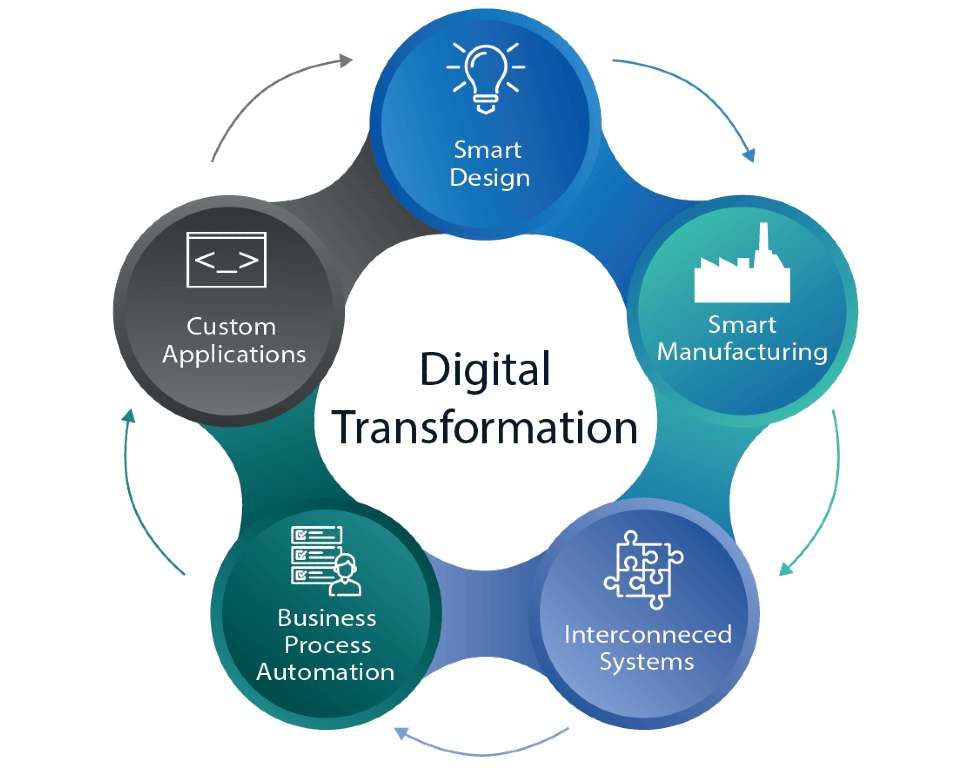 Digital transformation plays a crucial role in the success of modern advertising agencies by enabling them to adapt to the rapidly evolving digital landscape. Embracing digital technologies can bring various benefits to advertising agencies, including improved targeting capabilities, enhanced customer engagement, streamlined processes, and increased efficiency.
Benefits of Digital Transformation for Advertising Agencies
- Improved Targeting: Digital transformation allows advertising agencies to leverage data analytics and AI to target specific audiences with personalized and relevant content, leading to higher conversion rates.
- Enhanced Customer Engagement: By utilizing digital channels such as social media, email marketing, and mobile apps, advertising agencies can engage with customers in real-time, fostering stronger relationships and brand loyalty.
- Streamlined Processes: Automation tools and digital platforms help advertising agencies streamline their workflows, reducing manual tasks and increasing operational efficiency.
- Increased Efficiency: Digital transformation enables advertising agencies to work faster, respond to market changes swiftly, and deliver campaigns more effectively, ultimately driving better results for clients.
Examples of Successful Digital Transformation Initiatives in Advertising
"WPP, one of the world's largest advertising agencies, implemented a comprehensive digital transformation strategy to enhance its data capabilities, improve collaboration among teams, and deliver more personalized and targeted campaigns for clients."
Challenges Faced by Advertising Agencies Without Digital Transformation
- Limited Reach: Traditional advertising methods may not reach the desired target audience effectively, resulting in lower engagement and conversion rates.
- Data Silos: Without digital transformation, advertising agencies may struggle to integrate data from various sources, leading to fragmented insights and inefficient decision-making processes.
- Competitive Disadvantage: In today's digital-first world, advertising agencies that do not embrace digital transformation risk falling behind competitors who leverage advanced technologies to deliver innovative and impactful campaigns.
Key Components of Digital Business Transformation Solutions
In the digital age, advertising agencies need to embrace digital business transformation solutions to stay competitive and relevant in the market. This involves integrating technology and innovative strategies into their operations to meet the evolving needs of clients and consumers.Data Analytics and AI in Digital Transformation
Data analytics and artificial intelligence (AI) are crucial components of digital transformation solutions for advertising agencies. By leveraging data analytics, agencies can gain valuable insights into consumer behavior, preferences, and trends. This data-driven approach allows agencies to create targeted and personalized advertising campaigns, leading to higher engagement and conversion rates. AI, on the other hand, enables automation of repetitive tasks, optimization of ad placements, and predictive analytics for better decision-making.Significance of Cloud Technology in Advertising Practices
Cloud technology plays a vital role in modern advertising practices by providing scalability, flexibility, and cost-efficiency. Advertising agencies can store and access vast amounts of data securely on the cloud, enabling seamless collaboration among team members and clients. Cloud-based solutions also facilitate real-time monitoring and analysis of advertising campaigns, allowing agencies to make quick adjustments and optimize performance. Overall, cloud technology enhances efficiency and agility in advertising operations, ensuring agencies remain agile and adaptive in a fast-paced digital landscape.Implementing Digital Solutions in Advertising Agencies
 Implementing digital solutions in advertising agencies is crucial for staying competitive in today's fast-paced digital landscape. It involves integrating new technologies and processes to streamline operations, improve efficiency, and deliver better results for clients
Role of Employee Training and Change Management
Employee training and change management play a vital role in the successful adoption of digital solutions in advertising agencies. Here are some best practices to ensure a smooth transition:- Provide comprehensive training programs for employees to learn how to use new digital tools effectively.
- Communicate the benefits of digital transformation to employees to gain their buy-in and support.
- Assign change champions within the organization to drive adoption and help overcome resistance to change.
- Encourage a culture of continuous learning and adaptation to new technologies to stay ahead of the curve.
Tools and Technologies Used in Digital Transformation
In the realm of digital transformation for advertising agencies, several tools and technologies are commonly used to enhance operations and deliver better results for clients. Some examples include:- Customer Relationship Management (CRM) software to manage client relationships, track leads, and streamline communication.
- Data analytics tools to gather insights, measure campaign performance, and optimize strategies based on data-driven decisions.
- Marketing automation platforms to streamline repetitive tasks, personalize communications, and improve overall efficiency.
- Content management systems (CMS) to create, manage, and distribute content across various digital channels.
Measuring Success in Digital Business Transformation
In the realm of digital business transformation for advertising agencies, it is crucial to have a clear understanding of how to measure success. Identifying key performance indicators (KPIs), analyzing data effectively, and implementing continuous improvement strategies are essential components in evaluating the impact of digital transformation efforts.Key Performance Indicators (KPIs) for Digital Transformation Success
- Conversion Rate: Tracking the percentage of website visitors who take a desired action, such as making a purchase or filling out a form, can indicate the effectiveness of digital strategies.
- Customer Engagement: Monitoring metrics like social media interactions, email open rates, and website traffic can provide insights into how well digital initiatives are engaging target audiences.
- Return on Investment (ROI): Calculating the revenue generated compared to the cost of implementing digital solutions can help gauge the financial success of transformation efforts.
Analyzing Data for Evaluation
- Utilize Data Analytics Tools: Leveraging tools like Google Analytics or social media insights can help gather and analyze data to measure the impact of digital campaigns.
- Track Progress Over Time: Comparing data from before and after implementing digital strategies can provide a clear picture of the effectiveness of transformation efforts.
- Identify Trends and Patterns: Analyzing data to identify trends, patterns, and correlations can help in making informed decisions for optimizing digital initiatives.
Continuous Improvement Strategies
- Feedback Mechanisms: Collecting feedback from clients, employees, and stakeholders can offer valuable insights for refining digital strategies and processes.
- Ongoing Training and Development: Investing in training programs to enhance digital skills and knowledge can ensure continuous improvement in digital transformation efforts.
- Experimentation and Innovation: Encouraging a culture of experimentation and innovation within the agency can lead to new ideas and strategies for driving digital success.
Final Thoughts
As we wrap up our exploration of Digital Business Transformation Solutions for Modern Advertising Agencies, one thing becomes clear: adaptation is key to success in the ever-evolving digital landscape. By embracing innovative technologies and fostering a culture of continuous improvement, advertising agencies can not only survive but thrive in the digital age.
FAQ Section
How can digital transformation benefit advertising agencies?
Digital transformation can enhance operational efficiency, improve customer engagement, and drive innovation in advertising strategies.
What are some examples of successful digital transformation initiatives in advertising?
Companies like WPP and Publicis have successfully integrated digital technologies to streamline processes and deliver more targeted advertising campaigns.
What role does employee training play in the adoption of digital solutions?
Employee training is crucial for ensuring that staff are equipped to utilize new digital tools effectively and maximize their potential.
How can advertising agencies measure the success of digital transformation efforts?
Key performance indicators (KPIs) such as ROI, customer acquisition costs, and campaign performance can help gauge the impact of digital transformation.